The Button I Didn't Click
There is a version of this story where The Last Places costs 3.99 on Amazon. It very nearly happened. I had spent days inside the upload forms of Filmhub, a distributor that carries independent films onto the big platforms: metadata, artwork, subtitle files, every field filled, every checkbox checked. One button sat between my film and the shop windows of Apple TV and Amazon. This is the story of why I never clicked it, and why you can watch the film tonight for free instead.
First, what the click would have bought. The release would have covered the US market, with Europe as a maybe and the rest of the world as a no. And the platform had just changed its pricing: around a thousand dollars for the quality check alone. I did the napkin math. Roughly five hundred people would have to buy the film before it earned its first cent, on platforms where nobody would be advertising it, in a market on the wrong side of the Atlantic. The math was bad. The math was still not the reason.
The reason was a sentence from the maker of LISTERS, the film whose release model I ended up borrowing. He gave his film away because he wanted people like the ones in it to be able to watch it. People without money. That sentence would not leave me alone. Because run the other release through that filter: for someone in the villages we filmed to watch a film about their own life, they would have needed a VPN, money for the VPN, a payment method, an account, and a successful search for an unadvertised film on the right platform in the wrong country. These are people who went out of their way for us. They organized interviews, walked us in, cooked for us, made room. Locking the result behind that obstacle course was not a business decision anymore. It was simply unfair. Not edgy, not complicated: unfair.
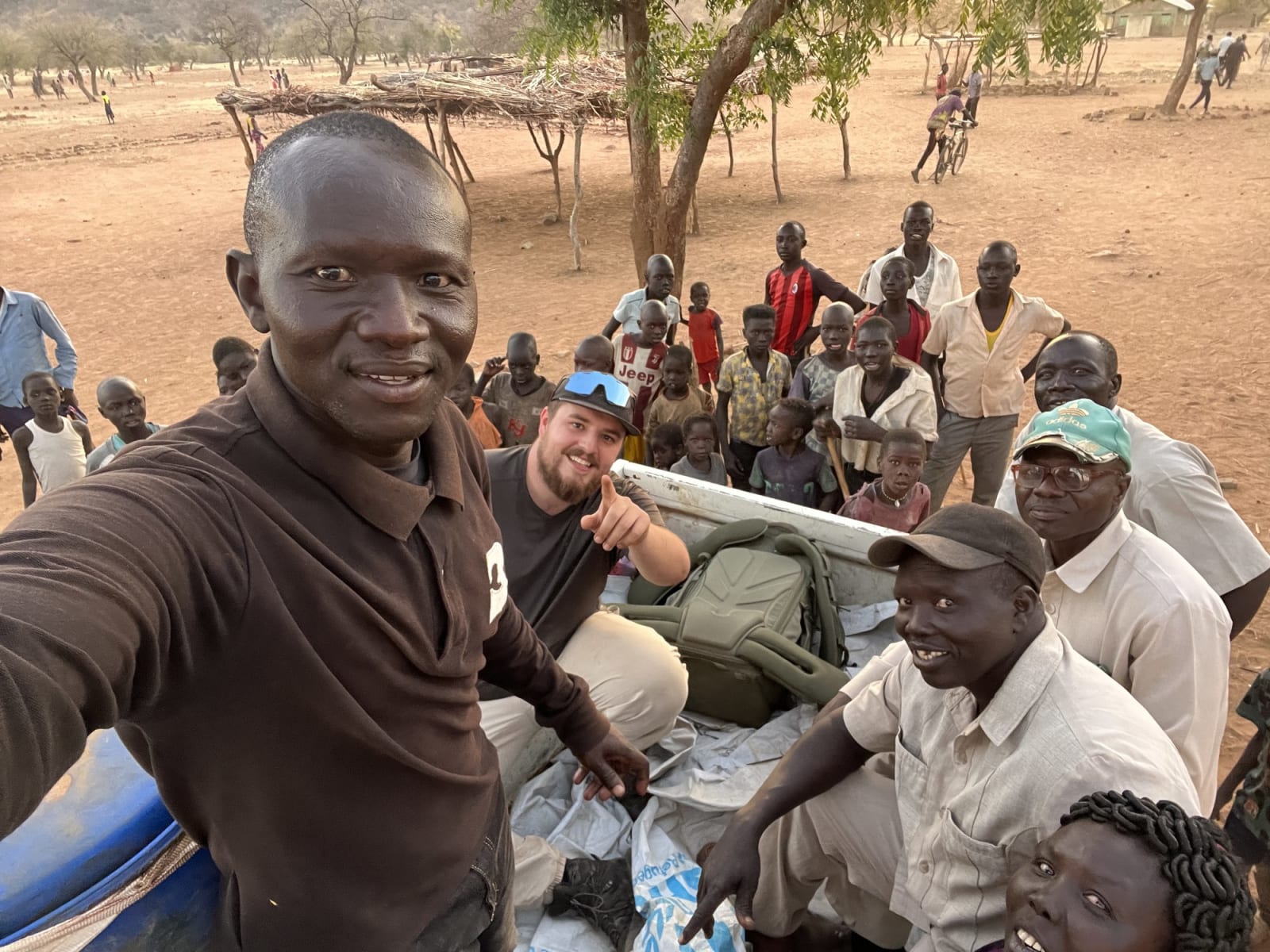
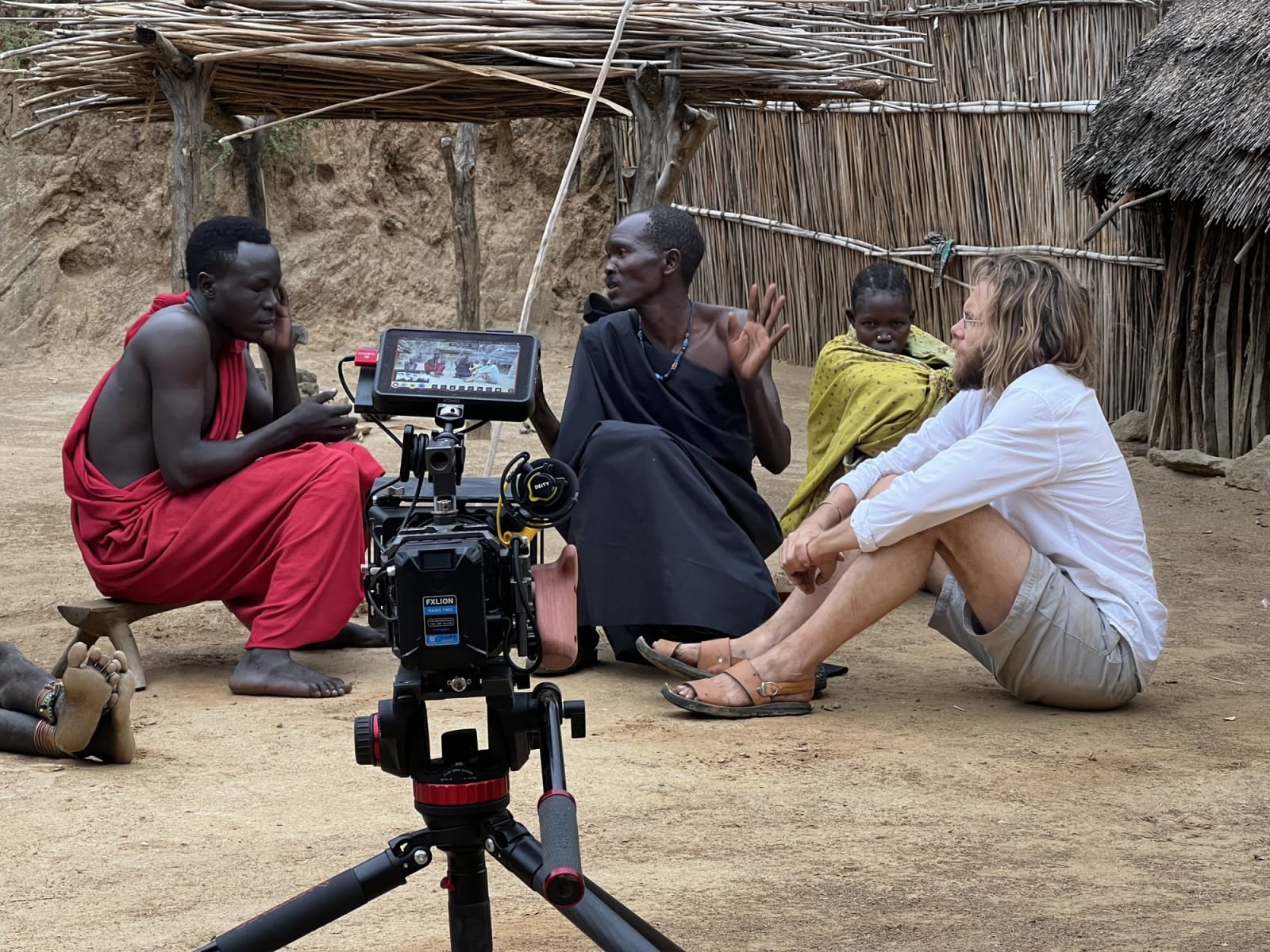
And reachable is not a fantasy out there. In one of the villages I spent evenings with the young chief, a man my age who had just inherited the role from the older generation, the way it has always been done. He was very interested in my smartphone. His house had a small TV, a solar panel, a thin line of internet. It is a little, and it is growing. Our fixers, the men who picked us up from airports, negotiated with elders and made the whole film physically possible, are former members of these communities, respected there, in the tourism business now, with phones in their pockets. I sent the film to every one of them. Their reactions are the best reviews I will ever receive, and their phones will carry it further than any distributor would have. And beyond the villages: the people who left for the cities and work day to day for their dinner, who might find in the film a memory of what community felt like. The descendants in Luanda or Lagos who know their grandparents were Cuepe or Mandinka and have never seen that world. Most people on the continent cannot travel to it. No money, no visas. We could not even get Diaka, one of the film's own protagonists, a visa for Angola, and Cameroon took two weeks of hotel limbo next to an airport. A film about the last places, locked behind borders and paywalls, would have been a bad joke. So it went to the one place with neither.
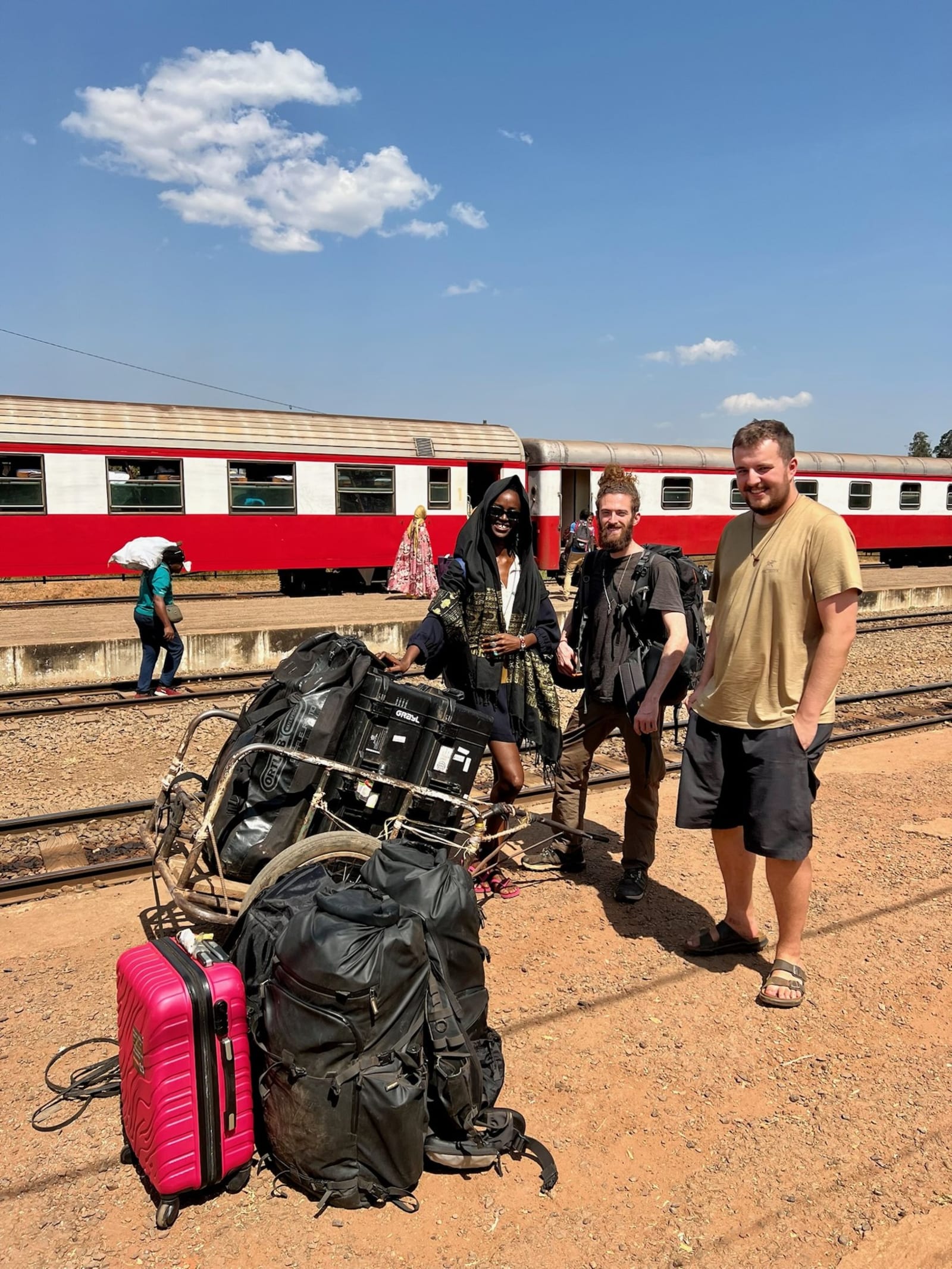
I did try the front doors first, for the record. We sat in meetings with ARTE, SWR and MDR. The friendly summary: not really our topic field. One editor was less friendly. He told us it was problematic that a white crew films African communities, in his words, basically abusing them. I still carry that sentence around. We tried hard to build the crew differently, and reality refused: Diaka could not get the visas, which is exactly the injustice the film itself talks about. That, too, was held against us. Better to have stayed quiet about it, he said. It was a business answer wearing ethics as a coat. The streamers were quieter: Netflix, Disney, Apple, contacts and conversations, then silence after they saw the film. Later someone from the industry explained the silence to me. Nobody wants to be the person on record who said no to the film that later blew up. So nobody says anything, ever, to anyone. Somewhere out there are entire careers built on unanswered emails.
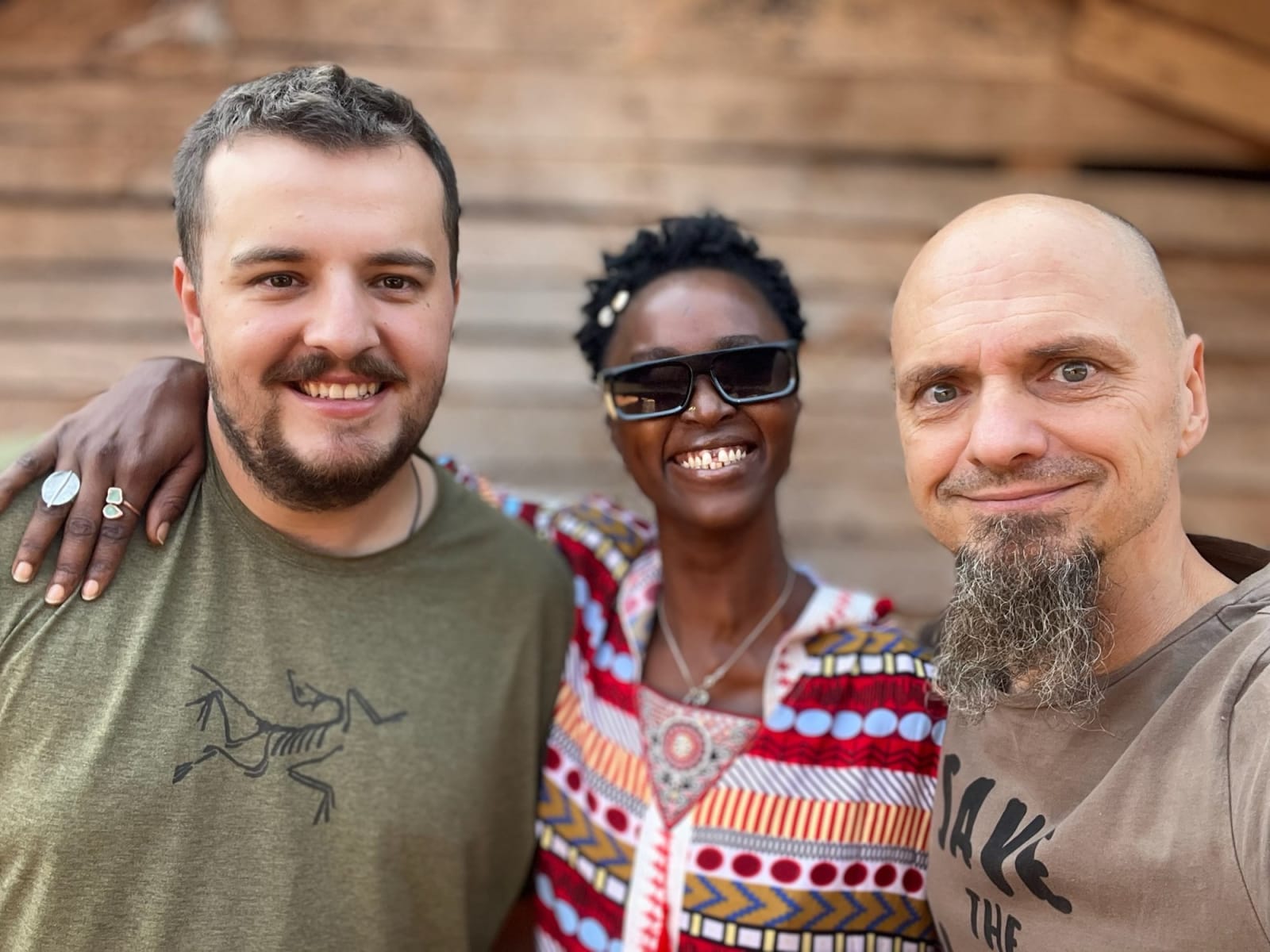
Free is not painless, I want to be honest about that. There are years and real money inside this film. When I bring good news, a new comment, six hundred views, it is complicated for Markus. The same number that makes my day measures, for him, the distance between what we dreamed at the start and where we stand. I understand him. But I know the other price too, because we paid it for two years while the film sat in the dark: being asked, again and again, when can we finally see it, and having no answer. That question used to ruin my whole week. Today the answer is one link long. It is the cheapest price I have ever paid.
Eleven days in, here are the honest numbers: 655 views, ten comments, roughly a hundred views a day and slowly climbing. By internet standards these are rounding errors. By mine they are people. Comments from Australia and from China. A Reddit thread that survived the spam filter and turned into free YouTube consulting from strangers. Someone called the film a beautiful connection between history and art, and I have been living off that sentence for days. The fixers wrote back with voice messages. One comment a day is enough to carry me through it, and that is not a figure of speech.
So here is what you can do, if you finish the film at one in the morning. First: respect. Then, in this order. Leave a comment, because I will think about it all day, see above. Force one friend to watch it, an honest, loving "you have to see this," because in a world of AI slop and eight-second cuts, being made to sit still for ninety minutes is a gift disguised as coercion. If you want more, my channel and my website are open. And if you want this kind of film to keep existing: three or nine euros a month buy the hours in which I do not have to shoot advertisements, which is the work I am currently burning out on, and they buy you a seat at the table. Members pitch topics, characters, stories, sometimes their own. You help decide where the camera points next.
Somewhere on Filmhub's servers, my film is still sitting inside a completed upload form, one click away from Amazon. It can stay there. The film lives where the people in it can reach it. The young chief has the link. That was the point.