A Year on a Bent Gimbal
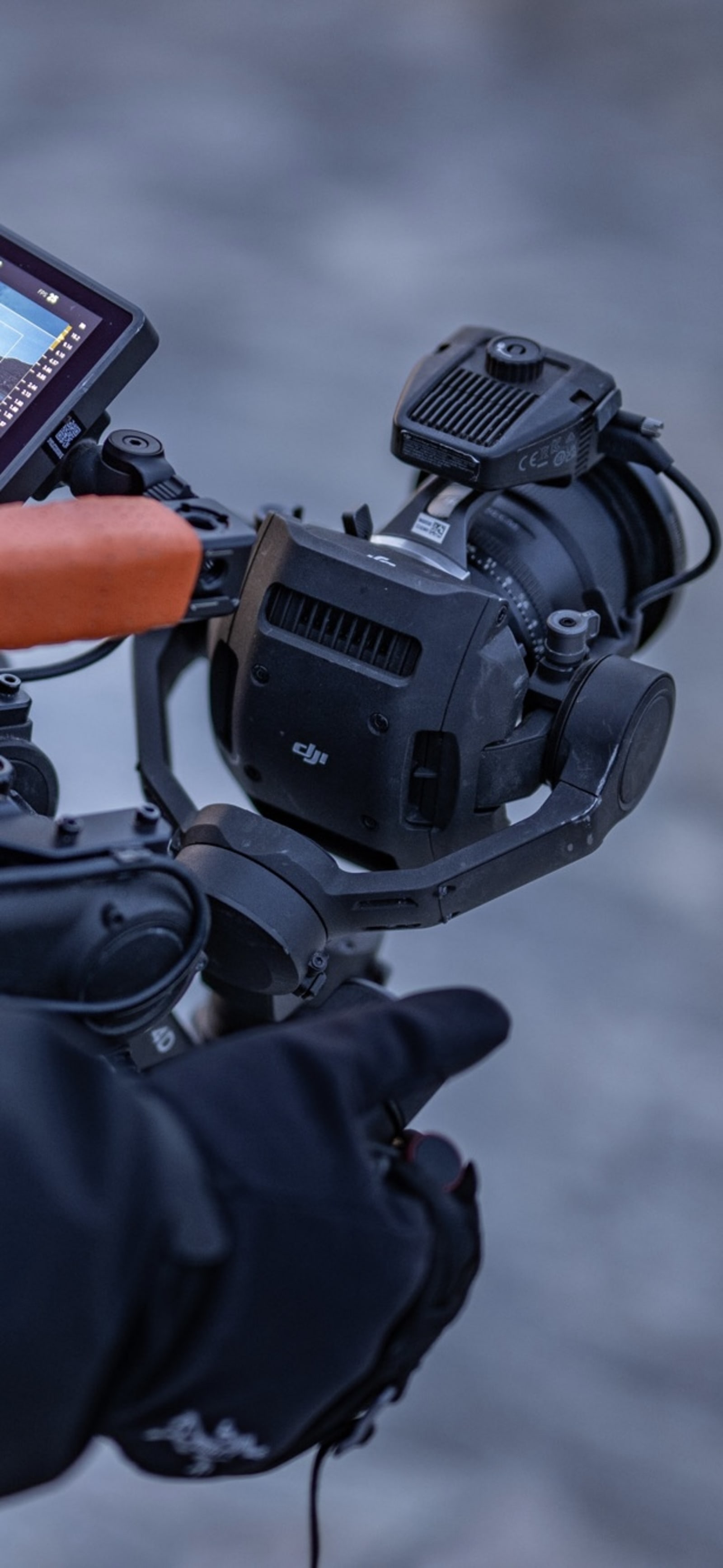
I shot for more than a year on a camera I was certain was broken.
This is the story of how it got broken, why I never sent it in, and what DJI charged me when I finally did. If you own a Ronin 4D and you treat it like glass, this one is for you.
First, how we got there.
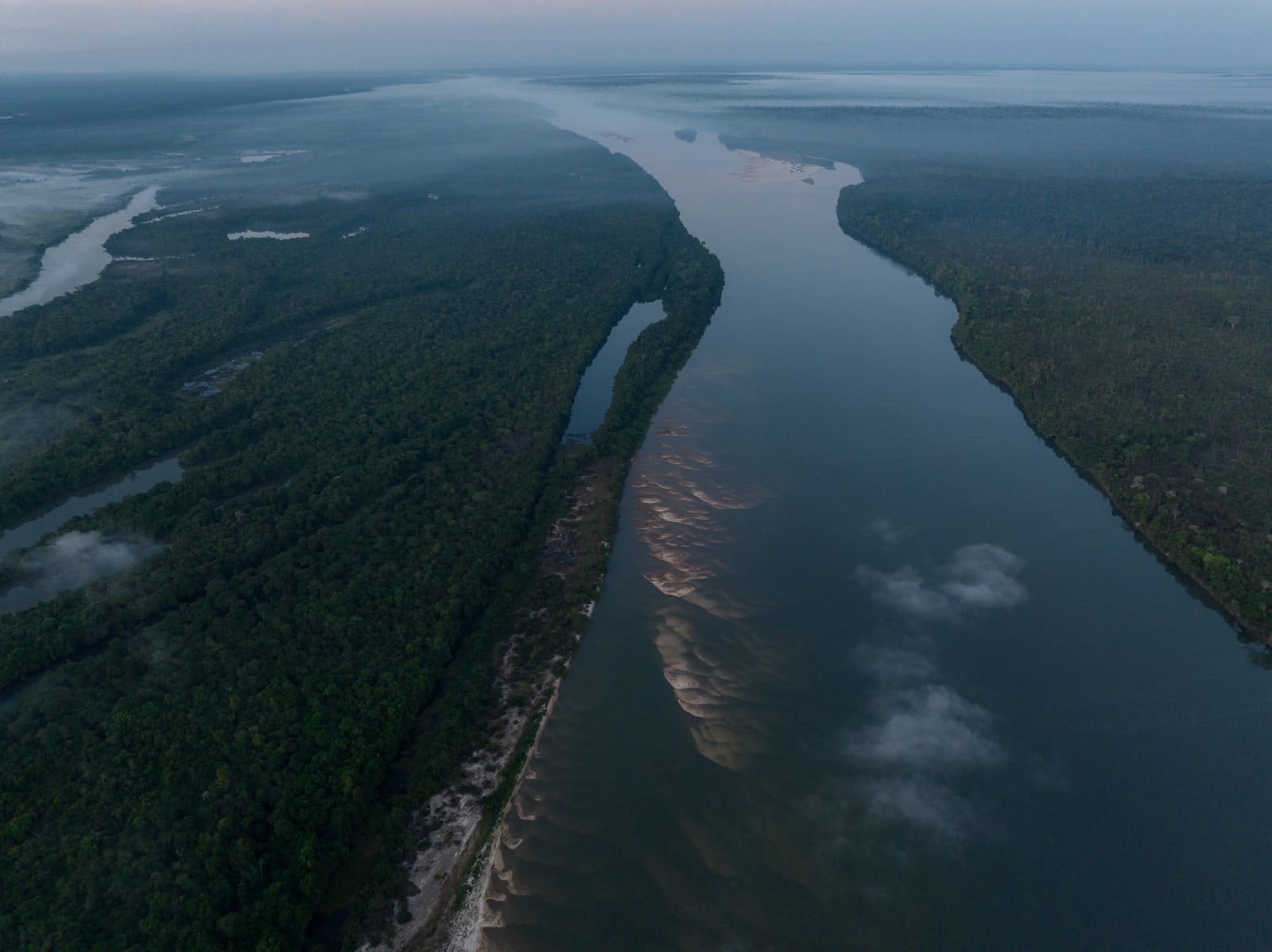
We were in Brazil for the climate film, the one that still lives under my desk. We had gone up the Xingu by boat into Mebengokre territory to film Chief Raoni. I did not know who he was when we met him. Somebody described him to me as the Nelson Mandela of South America, and that is roughly the size of him.
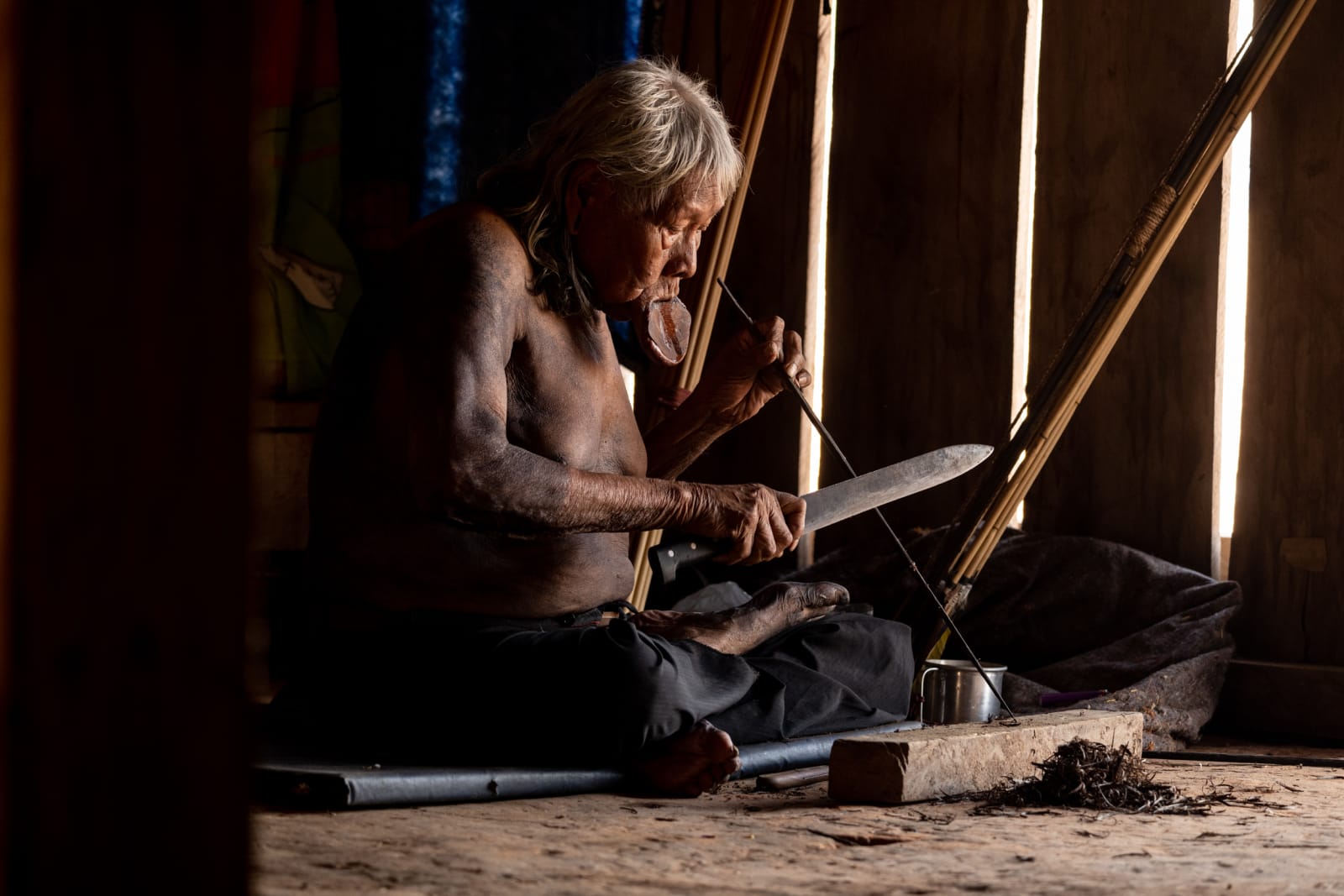
We stayed two days in his village. He sat on the floor of his house making arrows while we talked, straightening the shafts, testing them against the light. We got our interviews.
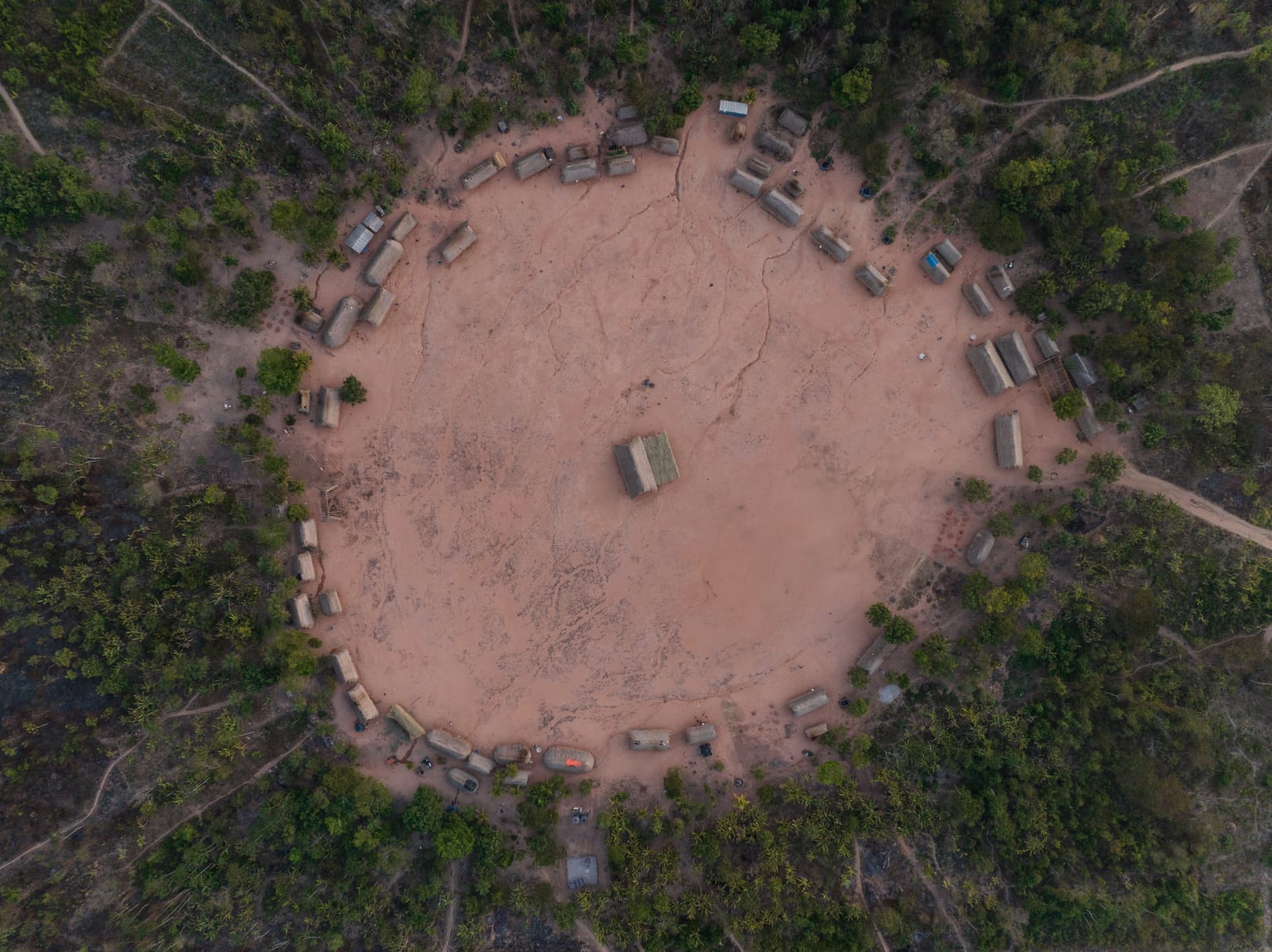
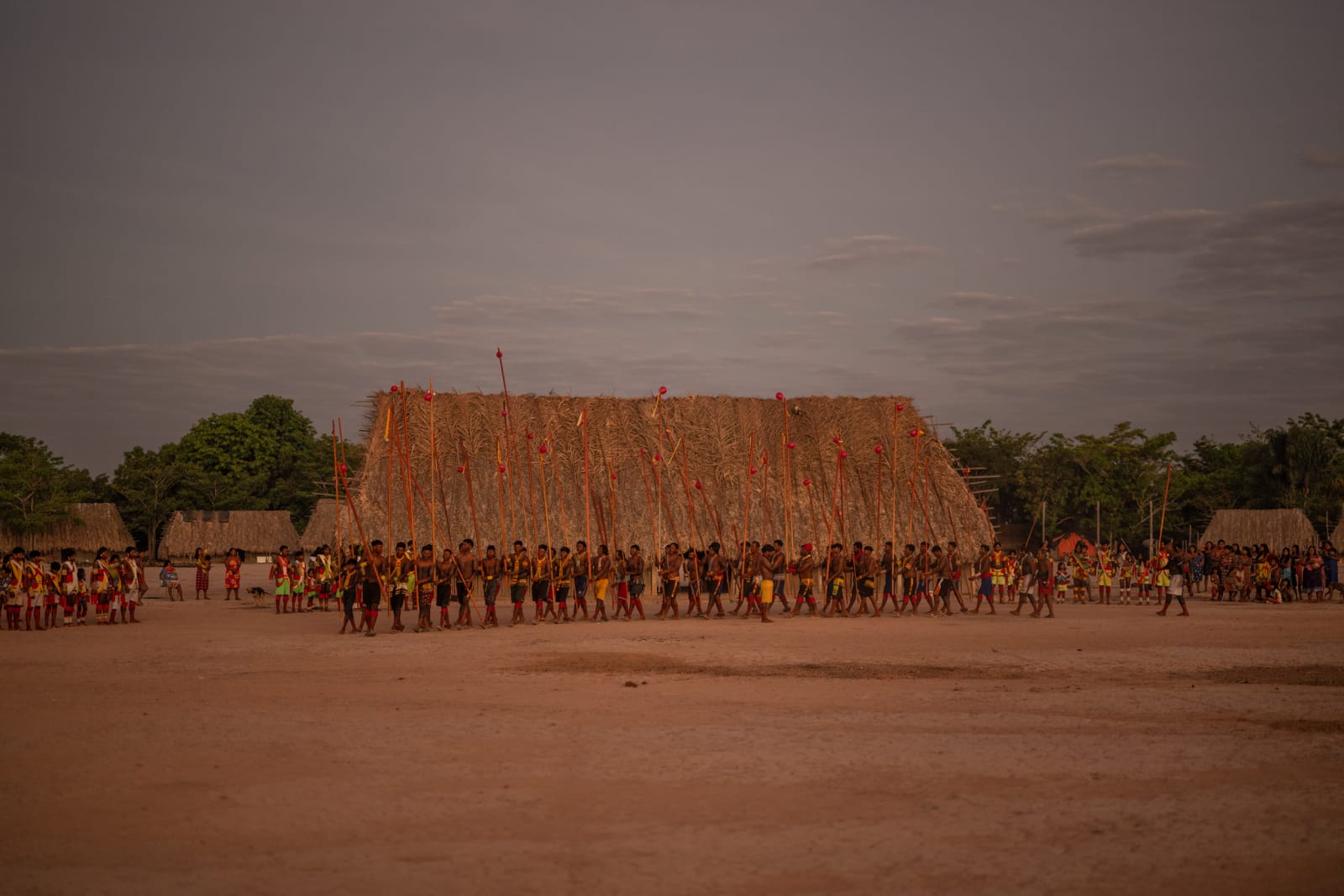
Then he told us he was flying to a naming festival. It is a rite of passage, the children who carry the name of the jaguar are given it properly, and the dancing runs all night. He liked us. We could come.
His plane had to fly the route three times to move everything: his people, his clothes, the food, and then our camera gear on top of all of it. I was on the third and last run. Just me, Raoni's nephew Matsi, who is a musician, and everything nobody else had room for.
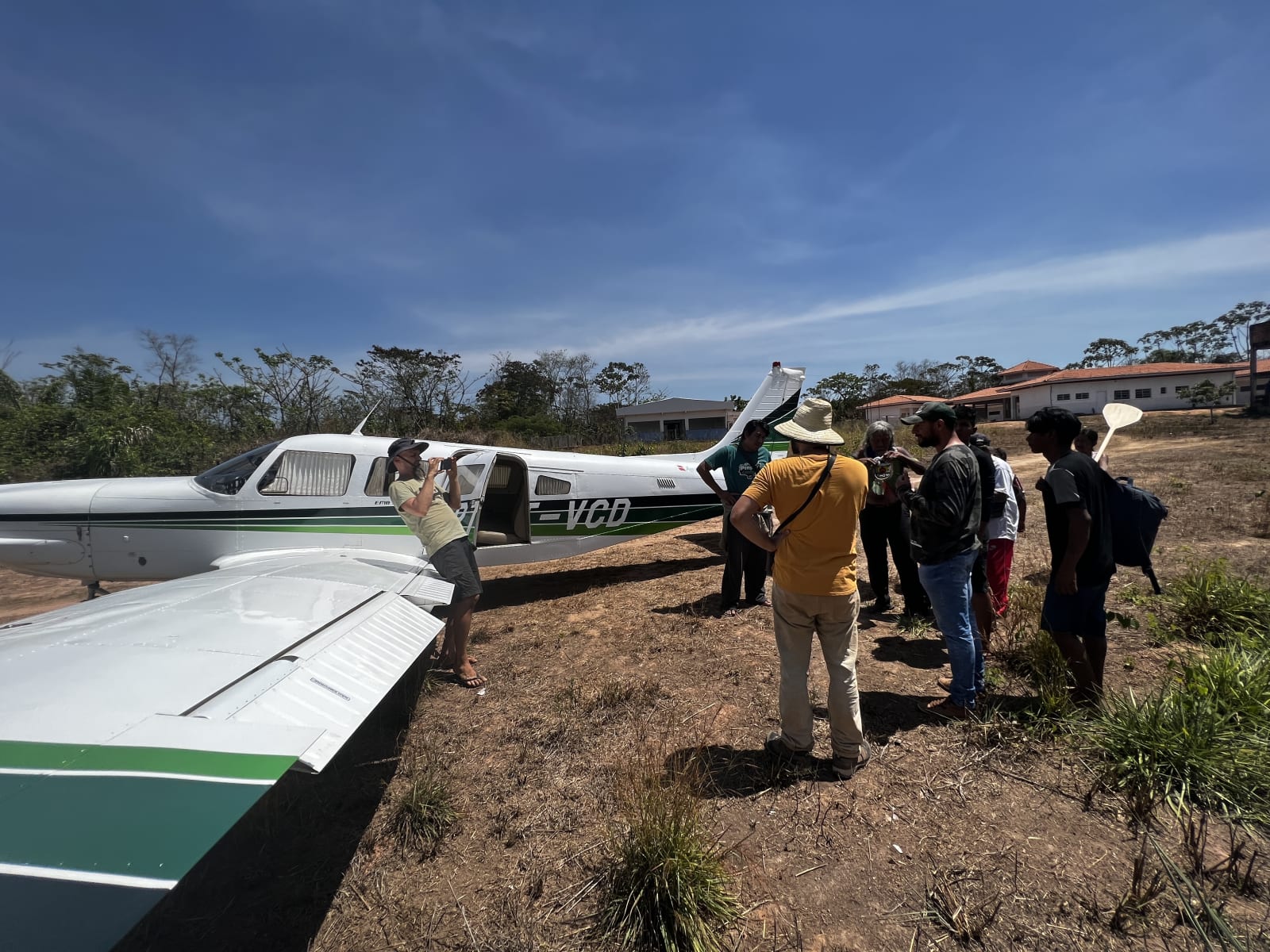
Matsi and I are both big guys. Add the leftover supplies and the camera cases and that little plane was heavy. The runway ran downhill and ended at the river, with one line of trees in between. We rolled over the crest, the plane gathered speed, and I watched the pilot's face while we did not climb.
We cleared the trees. Barely. I filmed the whole launch and you can see exactly how close it was.
Then two hours low over the Amazon.
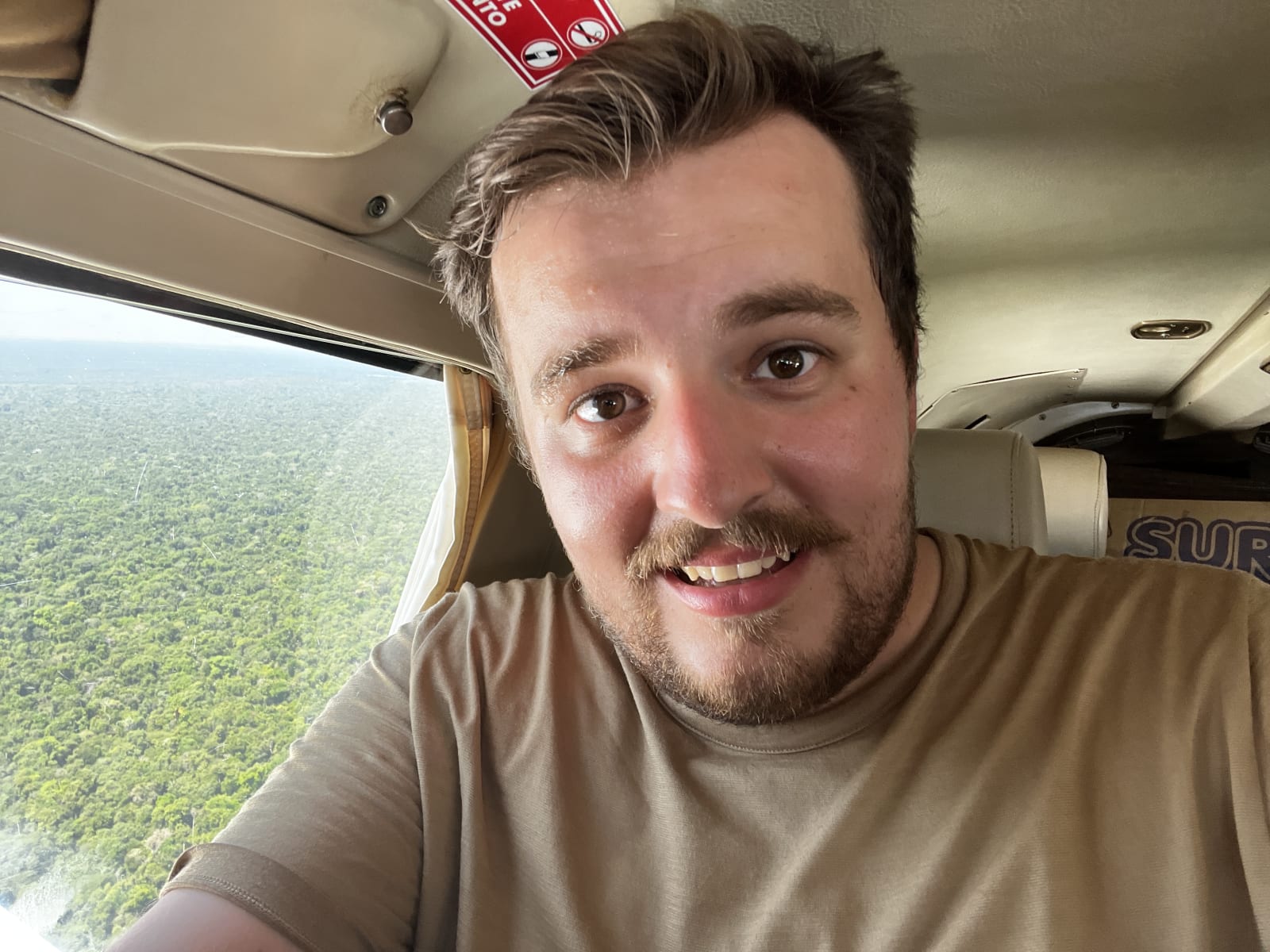
I will be honest about what went through my head up there, because I am not sure it is flattering. I ran an inventory. Camera on my lap to document it. Other case with the camping kit, water filter, knife, flint. Two indigenous men beside me who actually know this forest. And I thought: if we go down here, I can do this.
And a small part of me, a part I am not proud of, thought that would make the better story.
We landed fine. Dusty strip, everyone unloading, me standing on the wing passing things down.
That is when one shoulder strap of my backpack slipped out of its buckle. The whole bag went off my shoulder and down the side of the plane onto its edge. Bum, bum, bum.
I carried it inside before I opened it, because everything on that strip was dust. The left motor arm of the gimbal was bent inward. Visibly crooked, maybe four millimetres. Our main camera, on the second big trip I had used it for, and the whole team went quiet when they saw my face.
So I ran a test. Powered it up, walked it up and down, ran with it, checked the stabilisation across the range.
It worked. Perfectly.
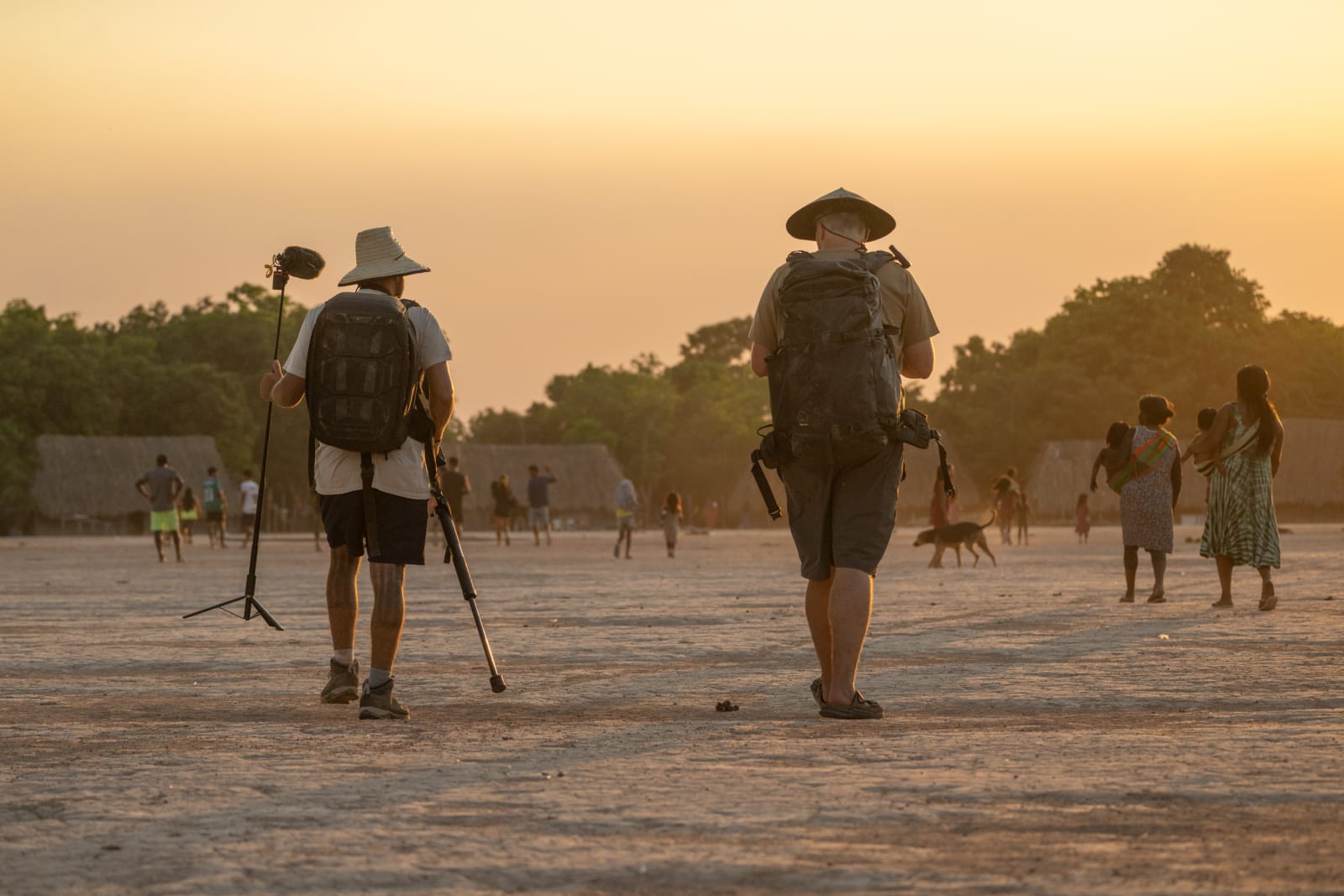
I told myself I would send it to service the moment I got home. Then we shot back to back for the rest of that year and into the next, and there was never a gap in the schedule long enough to be without the camera. So I did not send it. I shot on it. For more than a year, across more countries, with a visibly bent motor arm, and it never gave me a single problem.
When I finally did send it in, I expected the worst. I went through the DJI support site, got a shipping label, and it went to a German service partner. I had it back inside a week. I had braced for a month.
They replaced the entire left yaw motor arm unit, both motors, and it came back looking brand new. The original had scratches everywhere and the paint was already coming off the arm from normal use.
Three hundred euros.
Here is what I actually take from it.
I had the Ronin 4D filed in my head as the delicate one. It looks like precision equipment, it is full of motors and sensors, it has a LiDAR unit bolted to the front, and I treated it like something that would punish me for one bad day. Four years later my verdict is the opposite. It went off a plane wing onto a dirt strip, worked bent for over a year, came home from Africa covered in salt stains and full of dust, and in all that time it never once stopped a recording on me. The only camera overheat I have ever had was in my own office in Germany during the heat wave this summer.
The other thing, and this one took me longer to admit: I did not leave it bent because it was fine. I left it bent because I could not afford to be without it. I made a judgement call under schedule pressure and I got lucky. It happened to be a camera that could take it. Had it been a different body, that story ends with a dead main camera in the middle of the Amazon and no backup that could match it.
So if you are reading this with a bent something in your bag, telling yourself it is holding up: test it properly, write down what you saw, and book the service slot anyway. I got away with it. That is not the same as being right.
What is the piece of gear you have been putting off sending in?